
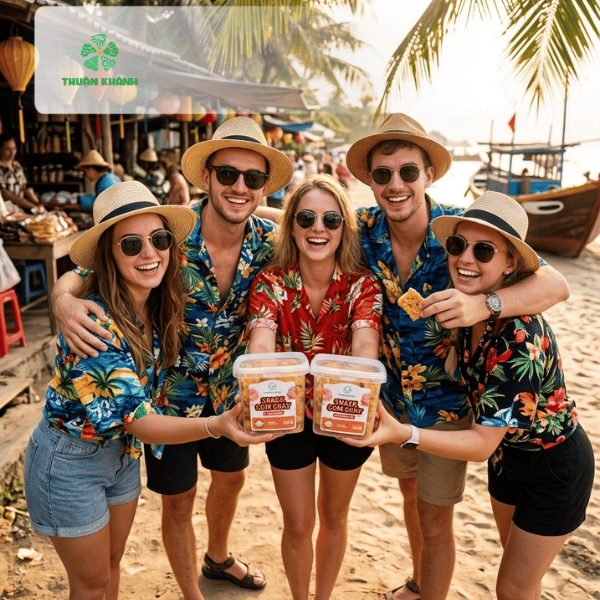
Vietnamese rice crackers are the ultimate showcase of texture in Southeast Asian cuisine. Known locally as Cơm Cháy, this iconic snack turns humble rice into an addictive, golden, crunchy treat. While many travelers confuse it with Bánh Tráng (grilled rice paper), authentic Cơm Cháy is made from a layer of cooked rice that is scorched, dried, and puffed to crispy perfection.
From street food stalls in Ho Chi Minh City to heritage kitchens in Ninh Binh, here is your definitive guide to Vietnamese rice crackers.
1. What Is Cơm Cháy? (Understanding the Core Difference)
In Vietnam, “crunchy” is not just a texture—it is an essential flavor element. However, international food lovers often mix up two distinct traditional snacks:
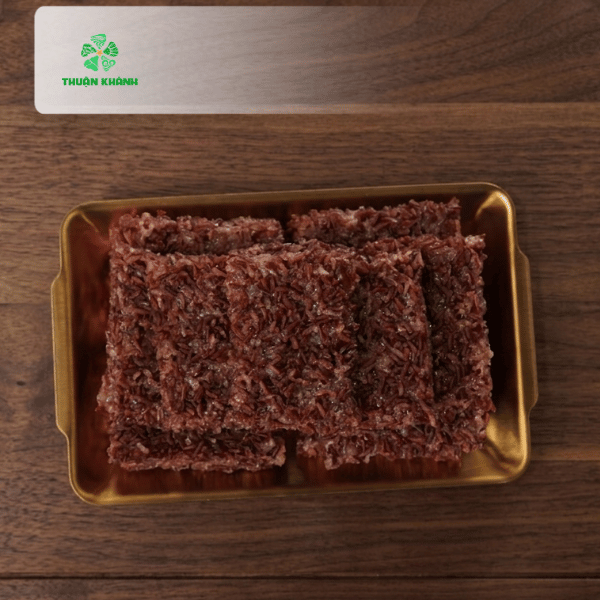
- Cơm Cháy (Scorched Rice Cracker): Formed from cooked rice grains pressed into shapes, dried, and then fried or baked until airy and golden.
- Bánh Tráng / Bánh Đập (Grilled Rice Paper): Formed from a liquid rice batter poured onto a steamed cloth, sun-dried, and grilled over charcoal.
2. The Origin and History of Cơm Cháy
The story of Cơm Cháy began with traditional cast-iron cooking pots. Before modern electric rice cookers existed, home cooks in Vietnam cooked rice over wood or rice-husk fires. The bottom layer of rice naturally toasted against the hot iron, creating a thin, crusty layer known as Cơm Cháy.
Rather than wasting this scorched rice, resourceful locals scraped it out, drizzled it with scallion oil, and turned it into a beloved family snack.
In the late 19th century, culinary artisans in Ninh Binh elevated this humble home dish into a regional delicacy by pairing crispy rice with rich goat meat sauce. Today, Cơm Cháy has evolved into an international favorite and a staple of Vietnam’s packaged snack industry.
3. Key Ingredients and How Cơm Cháy Is Made
Creating the perfect Cơm Cháy requires patience, precise moisture control, and high heat.
Ingredients
- Rice: High-grade fragrant jasmine rice, glutinous sticky rice, or nutrient-dense brown rice.
- Sauce/Glaze: Premium fish sauce, sugar, chili, garlic, and scallion oil (mỡ hành).
- Toppings: Savory pork floss (chà bông), dried shrimp, or vegan seasoned soy protein.
The Traditional Process
- Cooking the Rice: Rice is cooked until soft and sticky.
- Molding and Drying: Cooked rice is flattened into round or square molds. The rice cakes are sun-dried on bamboo racks (or dehydrators) until the moisture content drops significantly.
- Puffing (Chiên Nở): Dried rice cakes enter hot oil (
) or air-fryers for just 15 to 20 seconds. The remaining moisture inside expands instantly, popping the grains into a light, airy structure.
- Glazing: Cooks brush the hot rice cracker with sweet-and-savory fish sauce glaze and top it with generous layers of pork floss.
4. Popular Types of Vietnamese Rice Crackers
Vietnam’s regional diversity has spawned several delicious variations of Cơm Cháy:
| Type of Cơm Cháy | Key Characteristics | Regional Origin |
| Cơm Cháy Chà Bông (Pork Floss Rice Cracker) | Puffed crispy rice topped with savory, fluffy pork floss and sweet chili fish sauce glaze. Most popular snack version. | Southern Vietnam (Ho Chi Minh City) |
| Cơm Cháy Ninh Binh (Goat Stew Rice Cracker) | Unseasoned, deep-fried crispy rice blocks served hot alongside a rich, savory goat or heart/kidney stew dipping sauce. | Northern Vietnam (Ninh Binh) |
| Cơm Cháy Gạo Lứt (Brown Rice Cracker) | Made from whole brown rice. Earthy, nutty, lower in calories, and rich in dietary fiber. | Nationwide (Healthy / Eco-snack) |
| Cơm Cháy Mắm Tỏi / Mỡ Hành (Garlic & Scallion) | Crispy rice glazed with caramelized fish sauce, minced garlic, fresh chili, and green scallion oil. Often vegetarian. | Southern Street Food Classic |
5. How to Enjoy Cơm Cháy Like a Local
- Pair It with Beverages: Cơm Cháy goes perfectly with a cold local Saigon beer, iced green tea, or fresh sugarcane juice (nước mía).
- Break and Share: Authentic Cơm Cháy is made to be shared. Snap the thick round or square cake into bite-sized pieces with your hands.
- Store It Right: High-quality Cơm Cháy should be kept in airtight packaging away from humidity to maintain its signature crunch.
Frequently Asked Questions
Is Cơm Cháy gluten-free?
Yes. Authentic Cơm Cháy is made entirely from pure rice, fish sauce, chili, scallions, and meat or plant toppings. However, always check manufactured labels for soy sauce additives if you have strict celiac disease.
What makes Cơm Cháy so crunchy?
The secret lies in the drying and flashing process. Sun-drying removes surface water while trapping tiny amounts of internal moisture. When dropped in hot oil, that internal moisture turns to steam instantly, exploding the rice grains into an airy, crunchy matrix.
What is the difference between Cơm Cháy and Indian Poppadum?
While both serve as crunchy meal accompaniments, Poppadums are made from seasoned lentil/gram flour dough. Cơm Cháy is crafted directly from whole grains of cooked and dried rice.



 VI
VI  EN
EN